XCORE DATA / CONNECTED CAPABILITIES

Event timelines
Built around your work.

Present a journey using a configurable timeline with media, tags, filters, search, and localization requirements.

UNDERSTAND THE CONNECTION

Show sequence without losing the event context.

Event timelines organize dated activity into an understandable journey. Within XCORE, the profile connects events with media, tags, filters, and location context where appropriate, while keeping recorded facts distinct from interpretation.

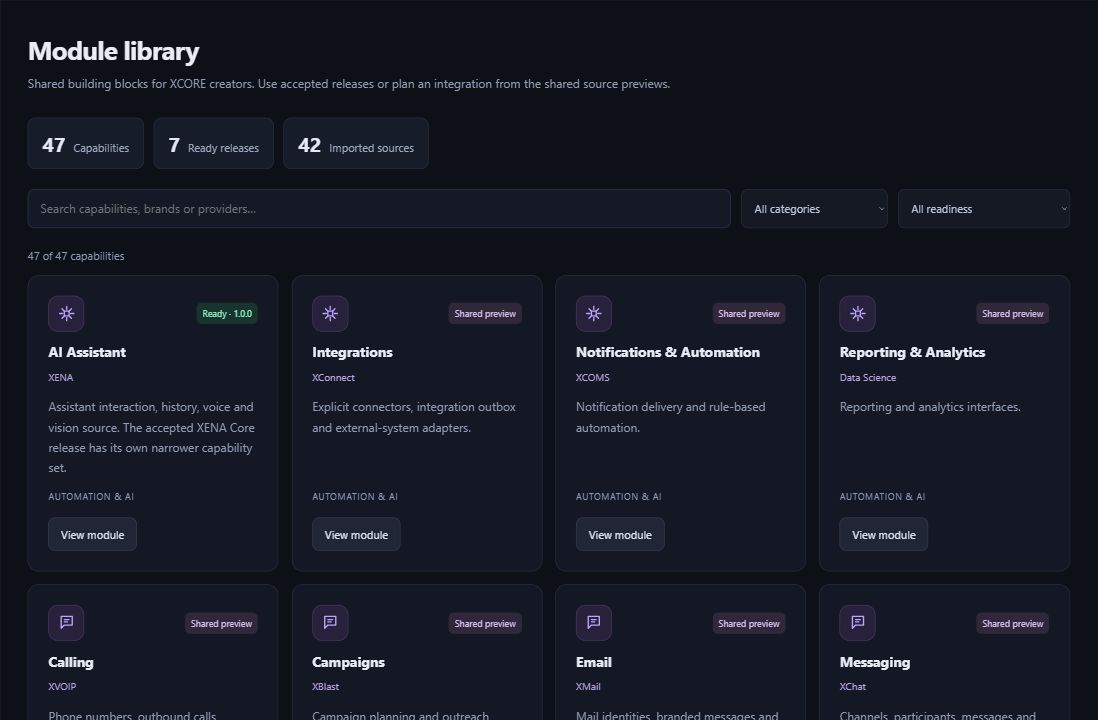
Actual XCORE Creator Studio module library showing ready releases and shared source previews.
Inside the creation layer · actual XCORE module-library capture, November 2, 2026. Release labels and account permissions apply.
THE PURPOSE IN PRACTICE

Present a journey using a configurable timeline with media, tags, filters, search, and localization requirements.

The mission behind the work

Define what each date represents

An illustrative project timeline may include a reported event, a document received later, and a decision made after review. The occurrence date, record-entry date, and publication date can differ. Labeling them prevents the display order from implying a sequence the evidence does not establish.

Keep navigation useful for a long history

Scope tags, repeated events, search, filtering, media, time zones, language, and any map relationship. Events need identifiable sources and meaningful descriptions, not just dots on a line. Location synchronization and external media are separate integration questions, and sensitive histories require appropriate access boundaries.

PLAN YOUR IMPLEMENTATION

Match the scope to your needs.

Choose the business tools your organization needs. Our team can confirm the app, access, connections and setup for your company before implementation.

PART OF THE LARGER SYSTEM

Make the next connection.

QUESTIONS & ANSWERS

A clearer picture.

The details that help you choose your next step.

Which date should determine an event’s position?

The timeline should state its rule: occurrence, reporting, entry, publication, or another relevant date. Where those differ, preserve the distinction rather than presenting one timestamp as every part of the event history.

Can a timeline show uncertainty?

It should, when the source does not establish an exact time or order. A date range, clearly labeled estimate, or explanatory note is more accurate than an invented precise timestamp.

Do media and maps prove the event?

They provide context and need their own source and interpretation. A map marker or attached image should not be treated as independent verification of every statement in the event description.

How can a long timeline remain usable?

Use meaningful tags, filters, search, readable event summaries, and access to relevant supporting detail. The structure should help a person answer a question without requiring them to open every item.

THE PEOPLE’S CORPORATION

A future
for people.

Personal control. Human opportunity.
Stronger local economies and a voice for communities.

Join XGlobeExplore the mission
SEARCH THE WHOLE ECOSYSTEM Press Esc to close
FIND THE RIGHT FIT

Your products, side by side.