
Original Tactical campaign illustration of a logistics convoy; not evidence of owned vehicles, fleet readiness or a current deployment.
Original Tactical campaign artwork · illustrative
XGLOBE TACTICAL RESPONSE GROUP

Tactical Operations

Connect the right information and qualified capability to the work that needs to happen.

INTELLIGENCEPROTECTIONMOBILITYCONTINUITY
TACTICAL / OPERATIONS

Connect the assessment to the actual handoff

Operational coordination succeeds when a need can be translated into a clear task for an authorized, qualified participant. Information, people, equipment and timing have to describe the same situation. Tactical’s operating direction brings those dependencies into view rather than treating a list of possible capabilities as a ready deployment.

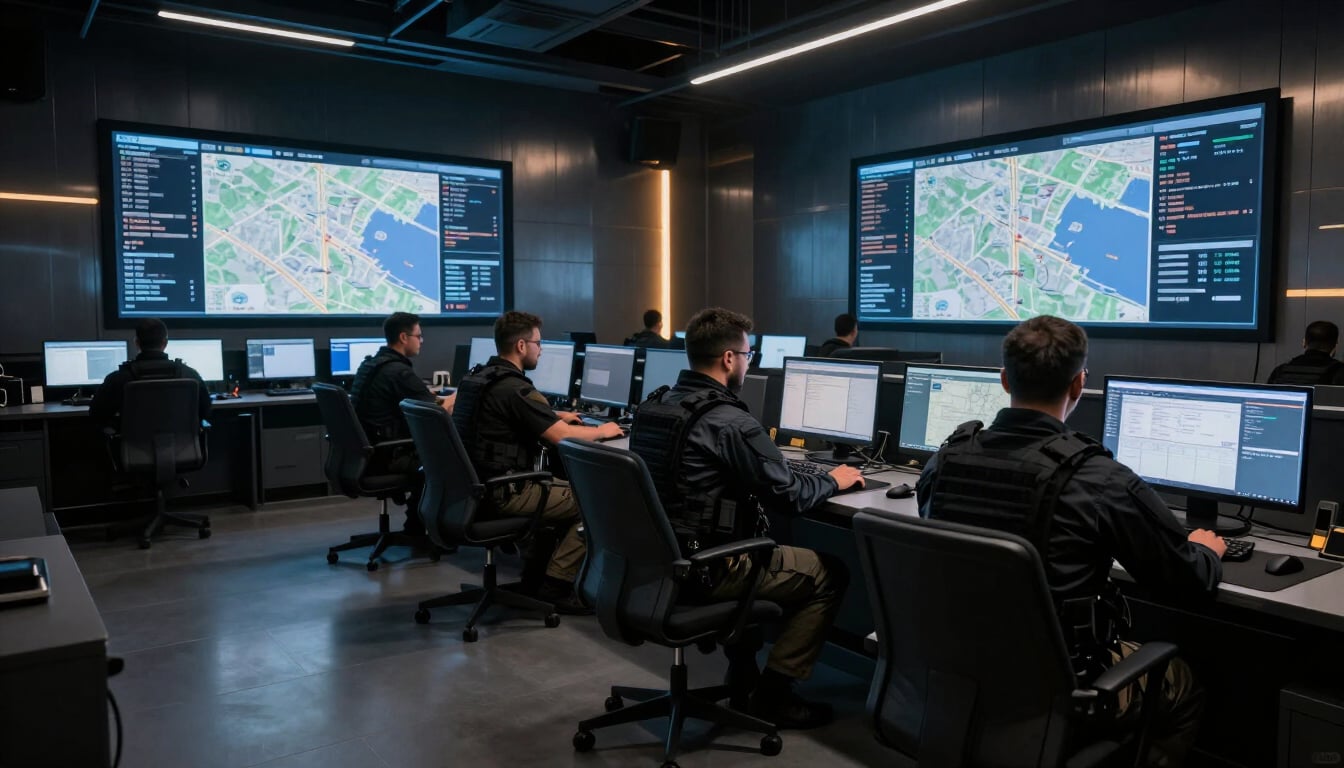
Original Tactical campaign illustration of an operations center; not a photograph of a verified operating facility.
Original Tactical campaign artwork · illustrative · Tactical operations-center campaign artwork
WHAT THIS PAGE COVERS
01

Six coordinated disciplines

02

One coordination layer

03

An operational plan, not an assumption

Understand the practical handoff

An illustrative review follows one resource request from its origin to the person responsible for completion. It should reveal who approves the work, what information the provider needs and how the result returns to the coordinating organization.

01 / Tactical Operations

Six coordinated disciplines

The program direction brings together protection technology, emergency logistics, property recovery, municipal systems, secure transport and the Missing Response pilot.

  • Protection technology and licensed security-provider coordination.
  • Resource, transport, equipment and staging plans.
  • Property stabilization and recovery documentation.
  • Municipal public works and continuity systems.
  • Secure movement and accountable cargo handoffs.
  • Authorized missing-person response pilot discussions.
02 / Tactical Operations

One coordination layer

Define the objective, responsible parties, records and communication needs before a resource is assigned. Tactical’s role is to organize capability and documentation; regulated execution remains with appropriately licensed and authorized providers.

    Original Tactical campaign illustration of a logistics convoy; not evidence of owned vehicles, fleet readiness or a current deployment.
    AN ILLUSTRATIVE WORKFLOW

    Coordinate the assignment and its responsibilities

    Consider a commercial site preparing for a recovery phase. Access, equipment, qualified providers and documentation have to fit the actual location and work. A useful coordination plan identifies the responsible person at each stage, the conditions for beginning and the required handoff. This example describes how to frame an assignment; availability, provider acceptance and mobilization still need confirmation.

    Example for explanation · not a live incident or customer case
    03 / Tactical Operations

    An operational plan, not an assumption

    Review geography, hazards, access, availability, insurance, qualifications and written terms. Provider participation does not establish immediate dispatch, a standing fleet or nationwide readiness.

      04 / Tactical Operations

      Keep the record through completion

      A scoped workflow can connect request, assessment, resource selection, verification, mobilization planning, field updates and completion reporting. Current technology connections and delivery responsibilities are confirmed for that engagement.

        05 / Tactical Operations

        Two ways to begin

        An organization can prepare a support inquiry; a provider can submit a separate capability profile for review. Neither action guarantees approval, an assignment, revenue or a contract.

          MAKE THE NEXT CONVERSATION USEFUL

          What to bring
          to the discussion.

          Start with a concise description. Additional records can follow through an appropriate agreed channel.

          Prepare an inquiry
          1. 01

            The location, need and responsible organization

          2. 02

            Required capabilities and operating constraints

          3. 03

            The requested timing and completion criteria

          QUESTIONS & ANSWERS

          Tactical Operations
          Explained.

          Practical scope, access and next steps.

          What does operational support begin with?

          A defined request, location, responsible organization and current situation. The available authority and resources must be understood before a mobilization or provider handoff can be agreed.

          Are all operational areas activated services?

          No. Security, logistics, recovery, municipal systems and pilot directions each require current availability, qualified participants and a specific engagement. A shared directory does not activate them automatically.

          What makes a handoff accountable?

          The receiving party needs a clear task, the permitted information, a responsibility owner and a reporting route. Those requirements should be part of the agreed work rather than left implicit.

          How is the permitted scope confirmed?

          Tactical is a private-sector coordination division. For an immediate threat, contact the appropriate public emergency authority. Specific services depend on qualifications, jurisdiction, availability and agreements.

          What should I prepare for this discussion?

          The location, need and responsible organization; Required capabilities and operating constraints; The requested timing and completion criteria. Begin with a concise non-confidential description. Additional records should follow through an appropriate agreed channel.

          SEARCH THE WHOLE ECOSYSTEM Press Esc to close
          FIND THE RIGHT FIT

          Your products, side by side.