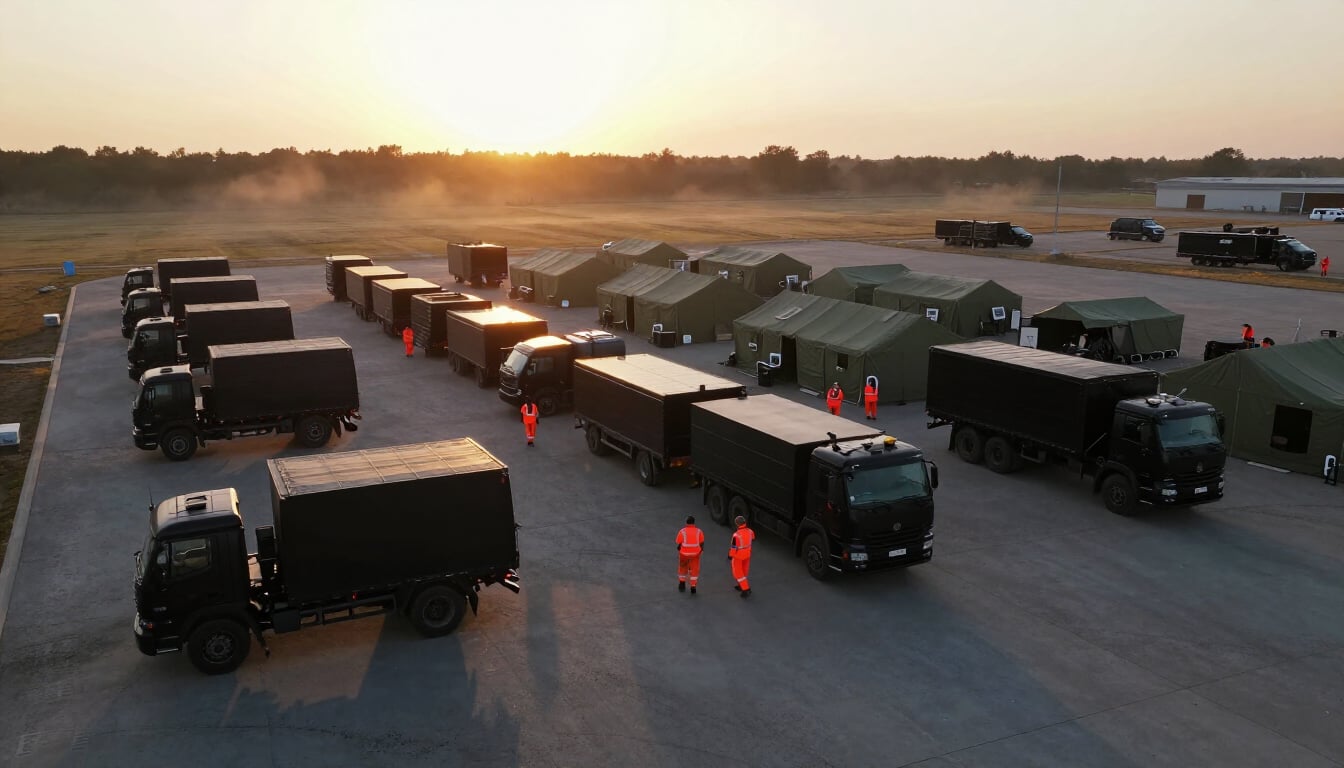
Original Tactical campaign illustration of a response staging area; not a record of a verified deployment.
Original Tactical campaign artwork · illustrative
XGLOBE TACTICAL RESPONSE GROUP

Response & Resource Coordination

Start with the request and build a realistic plan around the resources and authority available.

INTELLIGENCEPROTECTIONMOBILITYCONTINUITY
OPERATIONS / RESOURCES

Private-sector resources need a realistic plan

Response and resource coordination concerns the private-sector capabilities that may support an authorized operation: transport, equipment, contractors, staging and documentation. A request must be matched with resources that are actually available and suitable for the place and work, not with an assumed fleet.

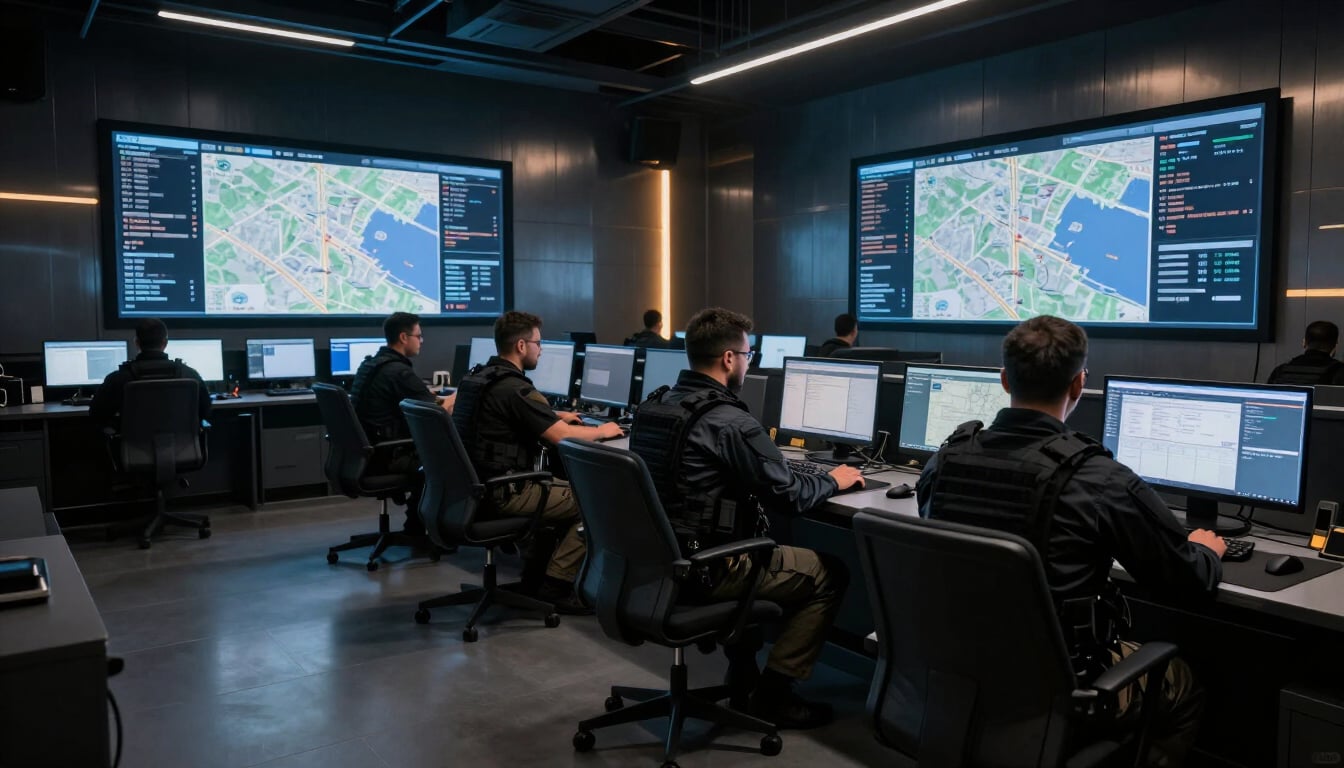
Original Tactical campaign illustration of an operations center; not a photograph of a verified operating facility.
Original Tactical campaign artwork · illustrative · Tactical operations-center campaign artwork
WHAT THIS PAGE COVERS
01

Intake and assessment

02

Resource architecture

03

Verification before assignment

Understand the practical handoff

A representative resource request identifies the task, the receiving organization, the required timing and the conditions at the site. Those details let qualified participants review whether they can support the work and what approvals or dependencies remain.

01 / Response & Resource Coordination

Intake and assessment

Document the request, objective, location and responsible organization. Review access, hazards, geography, timing and the boundary between private support and the public authority directing the incident.

    02 / Response & Resource Coordination

    Resource architecture

    Identify the people, vehicles, equipment, facilities and supplies the work needs. Confirm the provider, availability and conditions for each resource.

    • Geographic scope of proposed asset coordination
    • Emergency logistics & supply movement
    • Fleet & specialized transportation
    • Disaster, storm & wildfire support
    Explore all 12 topics
    • Medical & ambulance partner coordination
    • Aviation & drone partner coordination
    • Heavy equipment mobilization
    • Staging & field setup
    • Communications infrastructure
    • Contractor deployment & management
    • Infrastructure support
    • Mobile command coordination
    Original Tactical campaign illustration of a response staging area; not a record of a verified deployment.
    AN ILLUSTRATIVE WORKFLOW

    Start with the need before matching resources

    Following a disruptive event, an organization may need supplies, site support or recovery coordination. A useful private-sector inquiry identifies the need, location, timing and responsible contact. Proposed resources then require verification for the actual assignment. An illustrative logistics plan separates intake, acceptance and deployment; submitting this website’s inquiry does not dispatch responders or replace the appropriate public emergency channel.

    Example for explanation · not a live incident or customer case
    03 / Response & Resource Coordination

    Verification before assignment

    Check applicable licensing, insurance, credentials, permissions and operating requirements. Confirm scope, responsibilities and written agreements before a provider is committed.

      04 / Response & Resource Coordination

      Mobilization and field coordination

      Plan staging, transport routes and information handoffs. A scoped engagement may require provider status updates, communications and field-condition records; the actual tools and reporting responsibilities are confirmed in advance.

        05 / Response & Resource Coordination

        Stabilization and demobilization

        Record what was completed, remaining needs, resource release and after-action findings. Recovery and continuity planning can continue through the relevant property, contractor or municipal workflow.

          06 / Response & Resource Coordination

          Seven stages, one accountable record

          The coordination framework offers a useful structure for planning.

          • Mission intake.
          • Operational assessment.
          • Resource architecture.
          • Verification and assignment.
          • Mobilization.
          • Field coordination.
          • Stabilization and demobilization.
          MAKE THE NEXT CONVERSATION USEFUL

          What to bring
          to the discussion.

          Start with a concise description. Additional records can follow through an appropriate agreed channel.

          Prepare an inquiry
          1. 01

            The general need, location and point of contact

          2. 02

            Timing, access and resource requirements

          3. 03

            The organization authorized to approve the work

          QUESTIONS & ANSWERS

          Response & Resource Coordination
          Explained.

          What you can do and how to get started.

          Does this page dispatch emergency services?

          No. It is a private-sector assessment and coordination pathway. Immediate threats belong with the appropriate public emergency service rather than an online inquiry.

          Are vehicles and equipment guaranteed to be ready?

          No. Ownership, access, qualifications, insurance, geography and mobilization must be confirmed. A capability description is not proof that a particular resource is available now.

          What belongs in a resource brief?

          Identify the authorized organization, location, task, timing and receiving contact. Sensitive operational material should follow the approved process rather than the initial public inquiry.

          How is the permitted scope confirmed?

          This is private-sector coordination, not public emergency dispatch. No national deployment coverage, immediate mobilization or resource availability is guaranteed. Contact the appropriate public emergency service for immediate threats.

          What should I prepare for this discussion?

          The general need, location and point of contact; Timing, access and resource requirements; The organization authorized to approve the work. Begin with a concise non-confidential description. Additional records should follow through an appropriate agreed channel.

          SEARCH THE WHOLE ECOSYSTEM Press Esc to close
          FIND THE RIGHT FIT

          Your products, side by side.