

Concept illustration of a dark planning table with silver map contours, purple connections and report documents; not an actual ArmorX interface or operating facility.
Original Tactical campaign artwork · illustrative
ARMORX / TRACEABILITY & OPERATIONAL ACCOUNTABILITY

Keep the history.
Account for the decision.

Professional operational work has a history: information was supplied, someone reviewed it and the team took a next step.

INTELLIGENCEPROTECTIONMOBILITYCONTINUITY
TRACEABILITY & OPERATIONAL ACCOUNTABILITY

The record should explain how the work changed

Professional operational work has a history: information was supplied, someone reviewed it and the team took a next step. ArmorX separates audit responsibilities from the source material and the assessment. The point is to make changes and responsibilities understandable to an authorized reviewer, rather than leave the organization with only the latest version of the story.

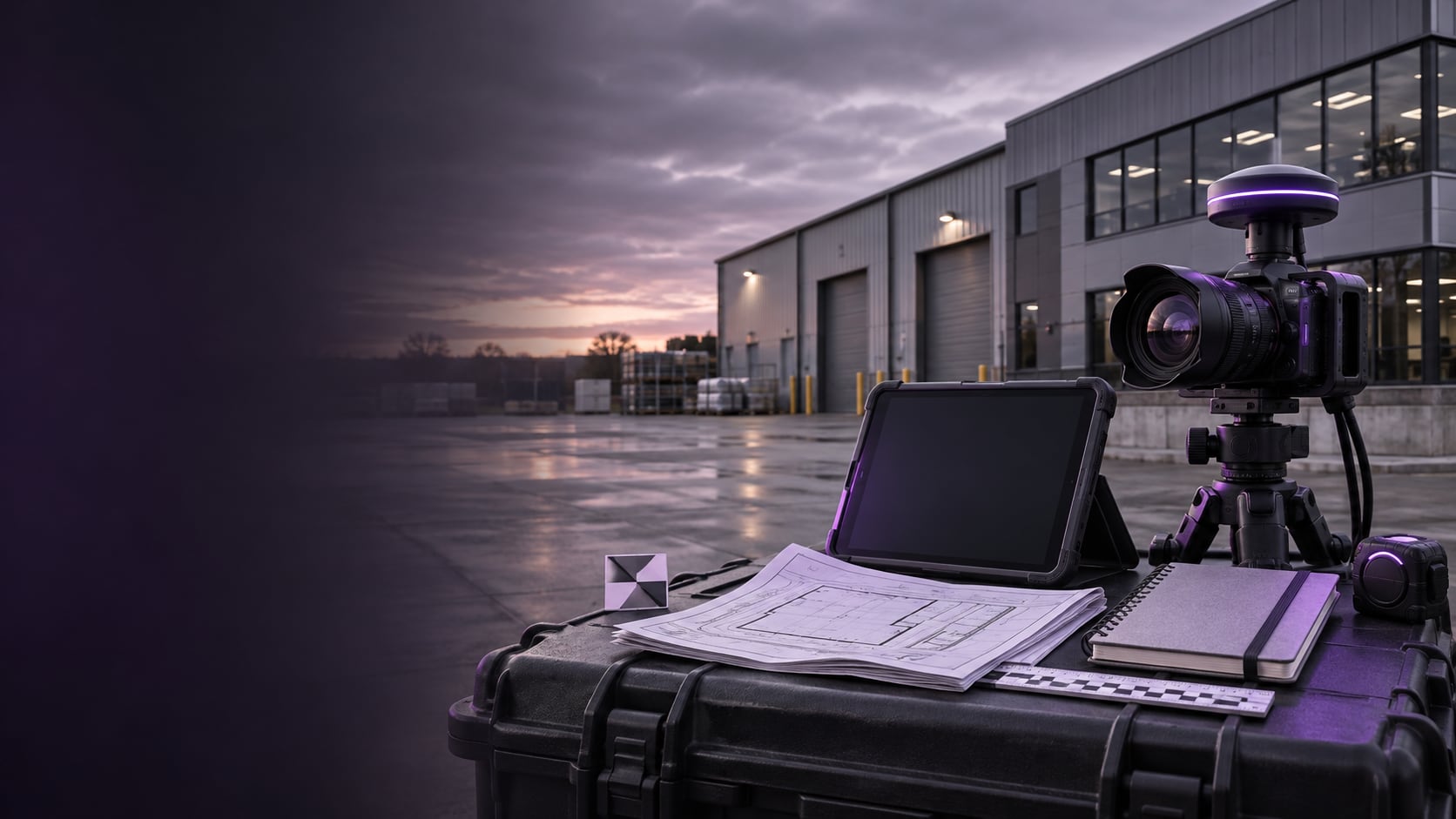
Concept illustration of field documentation equipment, site drawings and a tablet outside a commercial property; not evidence of owned equipment or an actual assignment.
Original concept artwork · illustrative · Tactical field documentation concept
THE SOFTWARE WORKFLOW

Purpose. Provenance.
Professional responsibility.

  1. 01

    Operations

    Define purpose and membership

  2. 02

    Sources

    Keep provenance and originals

  3. 03

    Assessments

    Attribute reasoning and limits

  4. 04

    Audit

    Review the operational history

This explains the information model. Cross-product connections and live feeds have separate deployment requirements.

Attribute the action to its context

An operational history is useful when an action can be understood with the operation, the relevant person and the stage of the work. A report submission, a membership change and an analyst assessment have different meanings. The retained foundation includes an operation audit view and an audit-verification action; their actual deployment and access must be checked in the authorized workspace.

Keep history and evidence distinct

Audit history describes actions affecting the operational record. Source evidence describes the underlying material being considered. Neither should be treated as a replacement for the other. A reviewer may need both the original information and the sequence in which it was supplied, examined or updated to understand how a conclusion developed.

Concept illustration of a dark planning table with silver map contours, purple connections and report documents; not an actual ArmorX interface or operating facility.
AN ILLUSTRATIVE WORKFLOW

Review the change, not just the final status

An analyst revises an assessment after receiving a new observation. The next reviewer needs to see both the supplied information and the context of the revision. An attributed history can help explain when the change happened and which record it concerned. The quality of that review still depends on the information retained and the permissions implemented in the deployment. This is an illustrative review scenario.

Example for explanation · not a live incident or customer case

Define who is responsible for review

Before a pilot, identify the people who will review activity, approve access and address an incorrect entry. Agree what a review package needs to show and how the receiving person will interpret it. These responsibilities are organizational decisions; a product name does not define the organization’s retention policy, contractual obligations or professional standards.

Verify the assurance you intend to rely on

Traceability is a specific capability to evaluate. This public website does not claim an independently certified compliance framework, a guaranteed tamper-proof record or an active integration with an external audit authority. Ask the deployment team to demonstrate the implemented history and verification behavior against the actual workflow before relying on it for a particular obligation.

CURRENT AVAILABILITY · AUTHORIZED PILOT

A clear scope for the actual deployment.

ArmorX is private-sector operations software. The retained foundation uses manually supplied information. Live feeds, expanded media/forensic integrations and connected XShield/Tactical handoffs require further implementation and verification. Public site access does not grant workspace permissions.

Pilot access and deployment
MAKE THE NEXT CONVERSATION USEFUL

What to bring
to the discussion.

Start with a concise description. Additional records can follow through an appropriate agreed channel.

Discuss pilot access
  1. 01

    The actions and responsibilities that need traceability

  2. 02

    The authorized people who will review the history

  3. 03

    The required retention, correction and handoff process

QUESTIONS & ANSWERS

ArmorX · Audit trail
Explained.

Practical scope, access and next steps.

Is an audit trail the same as an evidence file?

No. The evidence file contains the underlying source material. Audit history concerns actions and changes affecting the operational record.

Does ArmorX guarantee regulatory compliance?

No blanket certification or compliance guarantee is asserted. The organization’s requirements and the actual deployment need a specific review.

Can anyone inspect an organization’s audit history?

Operational history belongs within the authorized workspace and its permissions. Public website access does not grant access to it.

What should a pilot demonstrate?

Demonstrate representative actions, the resulting history, permitted reviewer access and the behavior of the implemented verification process. Agree how that evidence supports the organization’s actual review needs.

SEARCH THE WHOLE ECOSYSTEM Press Esc to close
FIND THE RIGHT FIT

Your products, side by side.